
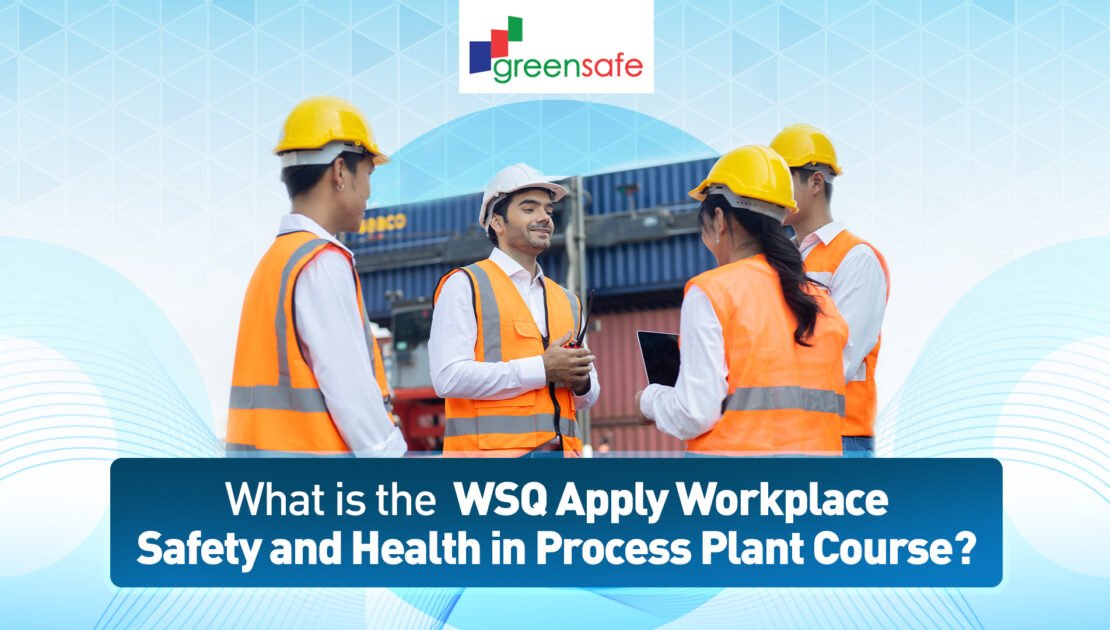
The modern industrial world is risky and competitive. Preservation of a secure environment is not only a legal requirement, but also a duty that promotes human survival, property and business survival. A critical safety course that equips workers to perform such functions is the Apply Workplace Safety and Health in Process Plant course. Previously called the Oil and Petrochemical Safety Orientation Course (OPSOC), this course emphasizes workplace safety in the oil and petrochemical industries.
This certification provides individuals with skills and knowledge to operate safely in process plants such as oil refineries, petrochemical plants and other high-risk industrial environments.
Why This Workplace Safety and Health in Process Plant Course Matters
This course helps workers understand:
The legal framework governing workplace safety
How to identify and mitigate hazards
Best practices to uphold a safe working environment
Because of its practical focus, the course goes beyond theory, it encourages participants to implement safe work practices during daily operations in process plant environments.
Who Should Attend This Course?
This Process plant safety course is highly recommended and, in some cases, mandatory for personnel working in process industries, particularly in Singapore’s industrial zones. Typical job roles that benefit from this course include:
- Process plant workers
- Technicians and foremen
- Supervisors and engineers
- Managers responsible for safety compliance
Whether you are new to the industry or experienced, this course ensures you are well exposed to safe working practices applied to process plants.
Course Objectives and Learning Outcomes
The overall objective of the WSQ Apply Workplace Safety and Health in Process Plant course in singapore is to equip learners with the skills to exercise proactive safety in high risk workplaces. Upon successful completion, the participants will be capable of:
Realizing Roles and Responsibilities: Learners also have a clear perception of the personal and organizational roles in the context of Workplace Safety and Health and are aware of the effect of compliance on both legal status and operational integrity.
Preventing Fire and Explosion Hazards: Fire and explosions belong to the category of the most dangerous risks in process plants. The course includes the ability to identify the source of ignition, handle flammable materials, and to use the correct types of fire control.
Safe Material Handling: Employees are taught how to safely handle materials such as chemicals, machinery among others to reduce the possibility of injuries, or spillages.
Mechanical and Electrical Safety: As in the case of mechanical systems and electrical installations, which are typical of process plants, safe operation and awareness of possible hazards are of utmost importance. The module will provide important safety measures in these fields.
Specialised Operations and High-Risk Activities: Participants learn control measures for specialized undertakings, such as working at heights or entering confined spaces, which demand increased vigilance.
Course Format and Certification
The course lasts approximately nine hours, and is taught in a classroom environment combining theory and practice. Evaluation includes written and performance evaluation to ascertain competence.
After meeting attendance and assessment criteria, the participant will receive a Statement of Attainment (SOA) and a safety pass, which are valid for a few years. This certification indicates that employees can safely work in regulated industrial settings.
Industry Recognition and Funding Support
The course is included in the formal Workforce Singapore (WSG) and SkillsFuture system. Subsidies and financial aid are available, particularly for local citizens and permanent residents, making this necessary safety training accessible to both individuals and employers.
The Role of Safety Training in Process Industries
Training in the workplace is not just a matter of compliance, but it creates a culture of safety that is conducive to the safety of people, equipment and the production processes. In the oil, gas, and petrochemical industries, this training cultivates:
- Enhanced knowledge of risks.
- Lessening of incidents at the workplace.
- Efficiency within the operations.
- Increased trust with the employees and stakeholders.
Through the process plant safety course, employees and managers become more prepared to be able to predict hazards and act in a way that avoids accidents even before they happen.
Final Thought
To conclude, whether you are new to the industry or an experienced professional, this course helps strengthen your competency in process plant safety and supports the reduction of workplace risks. It also promotes a stronger safety culture that benefits workers, employers, and operational performance.
Greensafe International is an approved training provider offering industry-recognized workplace safety courses. The training is delivered by experienced instructors in accordance with established Workplace Safety and Health (WSH) standards.
