
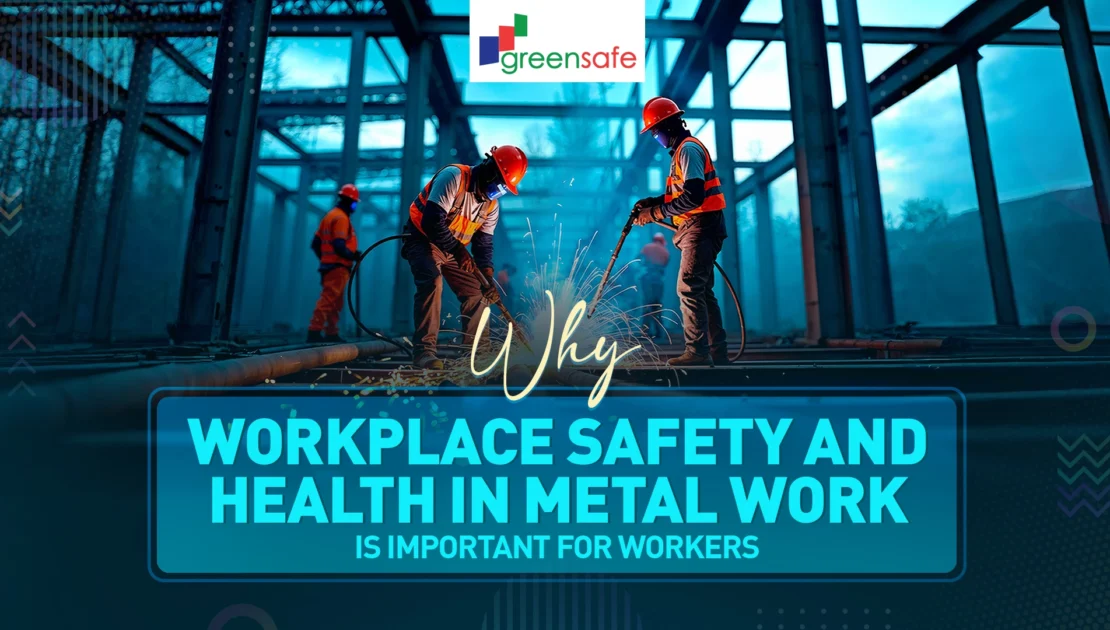
- Prioritizing workplace safety and health in metal work directly reduces accidents, prevents physical injuries, and eliminates costly operational delays.
- Experts claim that workplace safety and health in metal work protects the lives of the workers because the workplace can sometimes be hazardous.
- Significant improvements in the daily operations are achieved when workplace safety in metal work is followed strictly by everyone.
- Giving the proper training to the staff aids them in handling the dangers and heavy tools with caution.
- Long-term safety measures may prevent occupational illnesses and support worker well-being.
Construction, building, and automobile manufacturing depend heavily on the metalworking industry. Laboring individuals inside this field operate strong equipment, pointed implements, extreme heat, joining apparatus, and toxic substances every day. It has been observed that workplace safety and health are mandatory for protecting individuals and keeping tasks moving forward.
Risks are frequently encountered while handling heavy machinery. Protection must be provided through workplace safety and health (WSH) because these dangers exist to ensure the survival of the workplace. Organizations that implement workplace safety and health in metal work establish more secure locations to perform tasks with certainty and high speed.
Importance of Safety Training for Workers
Experts claim that training provides the foundation for safety. Accidents at the workplace are significantly reduced by training because it offers the most successful method for prevention. Workers who possess knowledge regarding operational steps, methods for emergency response, and equipment handling are less prone to making risky errors while performing their tasks.
A professional metal work safety course instructs staff members on how to recognize dangers, utilize personal protective equipment (PPE), and adhere to correct safety regulations. Awareness concerning fire prevention, the management of chemical substances, the guarding of machinery, and correct lifting methods is increased by training while the staff members are learning.
Reducing Workplace Accidents and Injuries
Unforeseen incidents within metal fabrication surroundings create serious consequences. Physical wounds, internal distress, monetary depletion, and functional pauses are experienced by the working staff when danger strikes. Organizations might confront repayment demands, judicial punishments, and operational downtime because security protocols are disregarded by the employers. The absence of vigilance leads to these tragedies because the metal and fire do not wait for the careless.
By implementing strong safety procedures, companies can significantly lower the risk of incidents. Routine supervisions, machine maintenance, risk evaluation, and emergency preparedness all contribute to keeping the workplace safe and secure.
Entities that WSQ apply workplace safety and health in metal works see fewer interruptions and less absence from the working position. Working individuals feel respected when the employer puts the life and health of the workers first.
The Role of Personal Protective Equipment (PPE)
Personal protective equipment functions as an essential element that protects workers from health and safety risks during metal work operations. PPE includes helmets, handcovers, eye guards, safety boots, hearing protectors, welding masks, and breathing filters.
The protective equipment reduces the risk of exposure to dangerous sparks, chemical hazards, sharp edges, and loud noise. Workers achieve protection only after they receive proper training about correct equipment usage.
Employers need to perform safety equipment inspections at regular intervals to check its operational state. Workers face inadequate protection during dangerous work activities because of two issues: damaged equipment and equipment that does not fit properly.
Creating a Positive Safety Culture
A strong workplace safety culture requires all employees to make health and safety protection their main priority during every workday. Safety should not be viewed as a one-time requirement but as an ongoing responsibility shared by management and workers.
Employers can establish a positive workplace environment through regular safety meetings. Workers can report unsafe situations without fear of punishment because open communication exists within the organization.
When organizations apply workplace safety and health in metal work, they demonstrate their dedication to protecting employee welfare. Also, the organization benefits because it establishes greater trust in the workplace, which results in increased teamwork and job satisfaction.
Compliance With Safety Regulations
Governments and regulatory bodies enforce workplace safety standards to protect workers from occupational hazards. Metalworking companies must comply with these regulations to avoid legal consequences and maintain ethical practices.
Safety compliance includes proper machine guarding, ventilation systems, emergency exits, fire safety measures, and worker training measures. Failure to meet these standards can result in penalties, shutdowns, and serious workplace incidents.
Completing a metal work safety course helps workers and supervisors understand industry regulations and best practices. It also ensures that organizations stay up to date with evolving safety requirements and operational standards.
The Importance of Professional Safety Education
Professional safety education equips workers with the practical skills needed to handle workplace challenges effectively. Reputable leading workplace safety and health course training providers like Greensafe International provide specialized training courses focused on industrial safety and occupational health.
These courses help workers understand hazard control methods, emergency response procedures, and international safety standards. Continuous learning ensures employees stay prepared for changing workplace conditions and technological advancements.
Investing in safety education is not just about meeting legal requirements; it is about protecting lives and building a sustainable work environment.
Final Thought
To conclude, workplace safety remains a significant priority within the metalworking industry because metalworkers encounter many physical hazards and environmental risks during their daily shifts. High workplace safety standards should be maintained through a collective responsibility that provides benefits for individuals and employees because it creates a foundation for long-term growth.
Frequently Asked Questions (FAQs)
1.Why is workplace safety in metal work important?
Workplace safety ensures that individuals are protected from physical harm caused by mechanical tools, extreme heat, chemical substances, or sharp metal objects.
2.What is included in a metal work safety course?
A metalworking safety course provides knowledge regarding the identification of hazards and the correct use of protective gear, emergency responses, and mechanical tool safety.
3.How does PPE help metalworkers?
Protective gear shields workers from heat injuries, flying metal fragments, toxic gases, loud noises, or objects that fall from above. Workplace safety is enhanced when safety equipment is utilized because the chance of injury is lowered significantly.
4.What are common hazards in metalworking industries?
Common hazards involve welding heat injuries, electric currents, or flying metal bits, chemical contact, or accidents involving heavy mechanical tools.
5.How can organizations improve workplace safety?
Workplace safety is improved when regular teaching sessions, site checks and tool repairs, and hazard recording methods are established by commercial organizations.
