
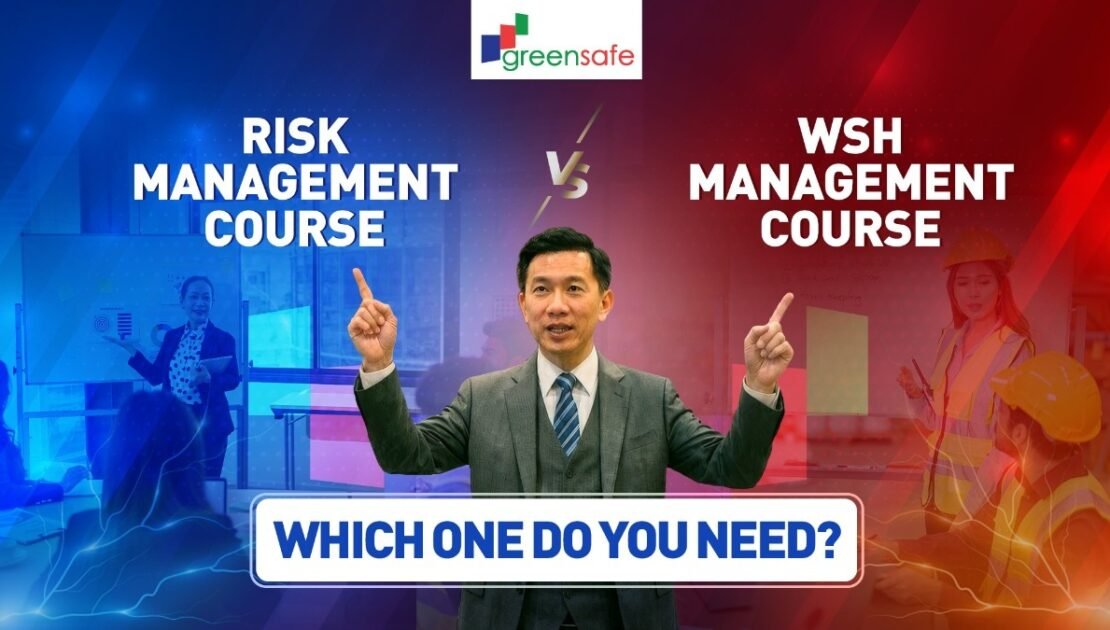
- A risk management course primarily focuses on finding, analyzing, and controlling organizational risks.
- On the other hand, WSH management courses ensure workplace safety and regulatory compliance.
- Safety courses can help reduce workplace incidents and enhance organizational productivity.
- It equips learners to gain practical insights and apply real-world skills that employers value.
- There are equal career opportunities for both, depending on an individual’s professional goals.
In today’s competitive world, maintaining compliance and ensuring employee safety with workplace regulations are essential. As industries evolve, employees should get professional safety training to reduce hazards, enhance operational efficiency, and create a safety culture. To achieve this, professionals lean on two popular courses: The risk management course and the workplace safety and health management course.
Understanding Risk Management
- Risk Management is nothing but the identification, assessment, control, and monitoring of risks that can adversely affect the organization.
- Pursuing the risk management course helps professionals respond immediately to emergencies, make contingency plans, and incorporate organizational resilience, especially when they manage high-level business operations.
- It is specially designed to reduce risks in various sectors, including construction, manufacturing, healthcare, logistics, and corporate.
- This enables them to make proper strategic decisions and foresee operational bottlenecks before they occur.
What is Workplace Safety and Health Management?
- Workplace safety and health management primarily focuses on the development and maintenance of a safe and healthy workplace.
- In the WSH (Workplace Safety and Health Management) course, both the employers and workers learn to apply and comply with workplace safety policies.
- Also, they get to investigate workplace incidents, abide by safety law regulations, and promote a safety culture within organizations.
Key Differences Between the Two Courses
Although both these courses aim to minimize workplace incidents, their primary focus differs.
| Risk Management Course | WSH Management Course |
| Identifies and controls organizational risks. | Emphasize is on workplace safety compliance and employee well-being. |
| Covers workplace, legal, financial, and operational risks. | Deals with occupational health and safety regulations. |
| Ideal for strategic planning. | Perfect for safety professionals and supervisors in the workplace. |
| Emphasizes risk assessment and mitigation. | Focuses on safety systems, inspections, and compliance. |
Selecting the appropriate course depends solely on the individual’s current job duties and future aspirations.
Who Should Opt for a Risk Management Course?
If you manage business operations, supervise big projects or teams, taking a course in risk management is a great way to improve how you identify and minimize risks to operations within your organization.
It will also enhance your overall decision-making ability as well as help you develop stronger strategic planning skills. Knowledge gained through this course will not only help you keep your employees safe at work, but is transferable to other functional areas of your organization, making it beneficial for managers, project leaders, consultants, and business owners alike.
Who Should Choose a WSH Management Course?
Professionals who ensure a safe and compliant workplace can attend this course. It may include individuals from varied fields like the safety officers, facility managers, site supervisors, human resource personnel, environment and safety personnel, and individuals who seek career advancement in Occupational Safety and Health.
In this course, participants will learn the skills to effectively manage workplace safety, including identifying and controlling hazards, understanding legal responsibilities, conducting safety audits, preparing for emergencies to respond quickly, and engaging employees to develop a strong safety culture.
Career Opportunities After Course Completion
Both the risk management and WSH courses open different professional pathways, but can significantly improve one’s career.
After completing a Risk Management course, aspirants can work in job roles such as:
- Risk Manager
- Operations Manager
- Compliance Manager
- Project Risk Consultant
- Business Continuity Specialist
Alternatively, individuals who have taken the workplace safety and health management training courses can move into positions like:
- Workplace Safety Officer
- Safety Compliance Manager
- Health and Safety Consultant
- Safety Coordinator
- EHS (Environmental, Health, and Safety) Manager
Organizations across varied sectors actively look for skilled individuals who can minimize accidents while adhering to regulations at the workplace.
Why Professional Safety Courses Matter
Investing in the best safety courses will not only benefit the individual, but it will also help employers and organizations to recognize hazards and avoid them before they become incidents.
Proper training can also assist employers in complying with minimum standards set by regulatory agencies, reduce downtime, and enhance productivity. In addition, organizations with trained safety professionals will often experience increased morale among their employees, lower insurance costs, and build a strong business reputation.
Safety training courses also help professionals stay informed about the changing regulations, industry best practices, and current risk assessment techniques.
Final Thought
To conclude, choosing either of the above courses depends solely on an individual’s career goals, but taking the course from a reputed safety training academy like Greensafe International truly matters as it can enhance their practical knowledge and hands-on skills, which employers value for a rewarding career.
Frequently Asked Questions (FAQs)
- Who can take a Risk Management course?
Those who are responsible for handling operational risks, managers, supervisors, and project leaders should consider it. - Is WSH Management applicable only for safety officers?
No, it can also be valuable for HR professionals, supervisors, and EHS personnel. - Can I take both courses?
Yes, both courses equip you with comprehensive knowledge of risk control and workplace safety. - After completing the course, can I take a risk management career from a safety role?
Yes, a risk management course offers transferable skills applicable to other operational, compliance, and business continuity roles. - Which course is the best to get better job opportunities?
Both are equally in demand, but the best choice may vary depending on your career goals and industry.
