
- High-risk hazards are present while working in tunnels, including toxic gases, fires, flooding, and rock collapse.
- Safety orientation course teaches workers the safety procedures to be followed in the tunnel.
- In an underground environment, using PPE would be highly beneficial.
- Lives can be saved in tunnel incidents by emergency preparedness and evacuation training.
- Overall, safety awareness and teamwork at tunnel worksites are enhanced.
Tunnel work is one of the safest and most demanding safety orientation courses among the challenging and high-risk jobs in the construction and infrastructure industry. Tunnels are areas where workers can be exposed to several hazards, such as exposure to toxic gases, fire hazards, exposure to flooding, dust, exposure to falling rocks and heavy machinery, and poor ventilation. A properly designed safety-oriented course can educate workers about the hazards of working in a tunnel, emergency procedures, and safe working practices.
Why Tunnel Safety Training Is Important
Tunnel construction sites are unique from open construction sites. Workers are in confined and enclosed underground conditions with limited exits and limited air exchange. There can be life and limb-threatening consequences for every minor error. A Safety Orientation Course (Tunnelling) for Workers will make sure that workers know what the risks are when working in a tunnel.
During training, workers learn about:
- Ventilation systems and air quality monitoring.
- Emergency evacuation procedures
- Hazard communication methods
- Safe equipment handling
- Fire prevention and rescue operations
Without training, workers may not realize that the ground is unstable, the gas is leaking, or that there are electrical hazards.
Common Tunnel Hazards Workers Must Understand
1. Poor Air Quality and Toxic Gases

One of the biggest tunnel hazards is poor ventilation. There is a possibility of the accumulation of harmful gases underground, such as carbon monoxide, methane, and hydrogen sulfide. Drilling and blasting may also create dust, which can impact breathing.
A course that focuses on safety instructs workers on how to check air quality, how to operate gas detectors, and the proper use of respiratory protection equipment. Oxygen deficiency and toxic gases are also known symptoms, which are taught to workers.
2. Fire and Explosion Risks

Emergency drills are an essential part of tunnel safety training. The likelihood of fire hazards, fuel equipment and fuel-powered machines in tunnel environments is high. Minor sparks can cause major fires or explosions.
Workers are trained to:
- Work safely with flammable materials
- Use fire extinguishers properly
- Follow hot work permit procedures
- Communicate promptly in emergencies
3. Falling Rocks and Ground Collapse

When digging a tunnel, the rock and ground around the site may become unstable. Falling of loose materials can result in serious injuries.
A safety orientation course will cover the significance of:
- Rock support systems
- Ground stability inspections
- Helmets and PPE to be worn.
- Restricted zones are followed. Access is limited to restricted areas.
Staff are trained on the early signs of any problems in the form of cracks, strange noises, or movement of the surface soil.
4. Heavy Machinery Accidents

Drilling machines, loaders, trucks and other excavation equipment are used in confined areas. Poor visibility and narrow passages create a risk for collisions and accidents.
Safety training educates workers:
- Equipment operating procedures
- Communication signals
- Safe pedestrian routes
- Lockout and tagout procedures
Employees are also taught to ensure they maintain safe distances from moving equipment.
5. Flooding and Water Ingress

Water entering tunnels can quickly create dangerous conditions. Flooding may occur due to groundwater leakage, heavy rainfall, or pipe failures.
It prepares workers to:
- Recognize flooding risks
- Use drainage systems properly
- Follow evacuation plans
- Report water leaks immediately
Quick action can prevent injuries and major project damage.
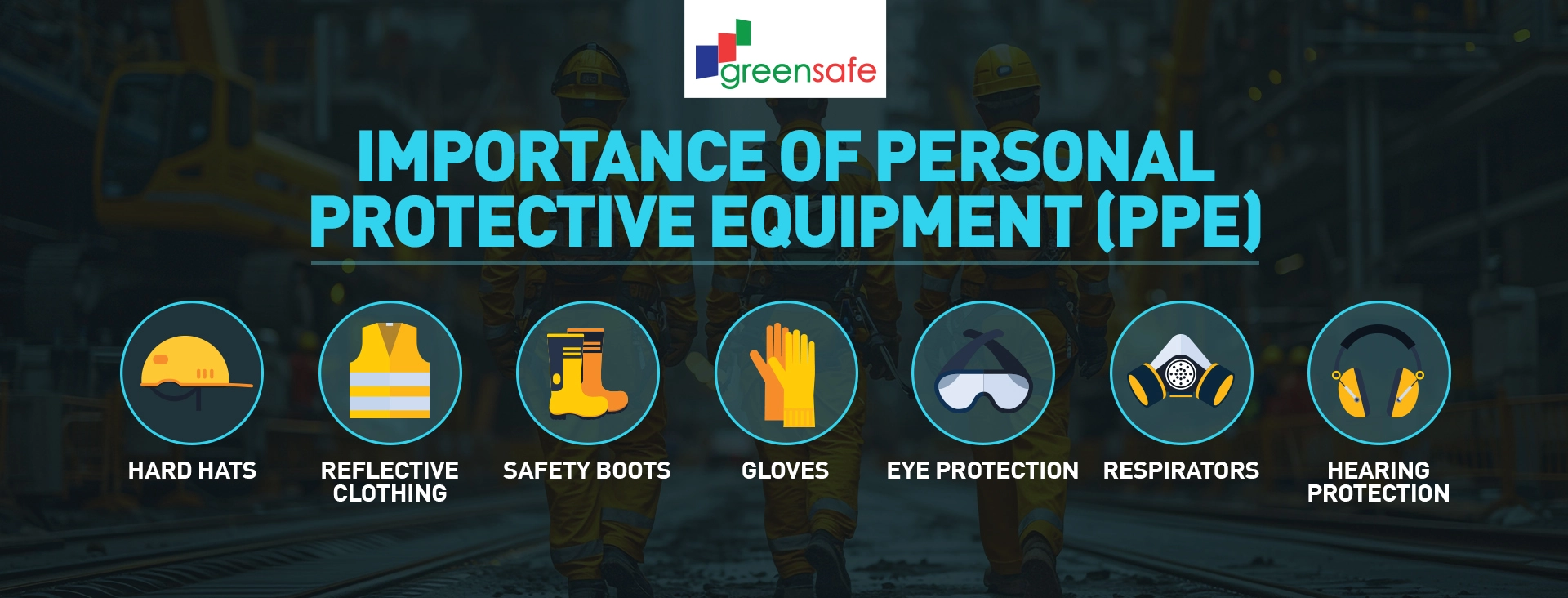
Importance of Personal Protective Equipment (PPE)
PPE is of paramount importance to tunnel workers. All workers need to understand how to properly inspect, wear and maintain PPE.
PPE should include:
- Hard hats
- Reflective clothing
- Safety boots
- Gloves
- Eye protection
- Respirators
- Hearing protection
Staff are fitted with the correct PPE and given a safety orientation course explaining the importance of using the correct equipment and why compliance is mandatory at all times.
Emergency Preparedness in Tunnel Work
The emergency response to a tunnel situation must be rapid and well coordinated. Training programs may include:
- Emergency simulations
- Rescue drills
- Fire response exercises
- First aid awareness
A well-designed safety course will equip workers with the knowledge and confidence to handle dangerous situations.
Creating a Strong Safety Culture
Tunnel safety is not only the responsibility of supervisors or safety officers. Every worker plays a major role in ensuring that there is a safe workplace. Workers should always report hazards, follow procedures, and encourage teamwork.
A strong safety culture improves:
- Worker confidence
- Communication
- Productivity
- Accident prevention
- Overall project efficiency
Continuous learning and regular refresher sessions help reinforce safe behavior underground.
Final Thought
To conclude, comprehensive safety-oriented courses from reputed training providers like Greensafe International equip workers with the knowledge, skills, and confidence needed to handle tunnel hazards because it creates a safer workplace for everyone involved in tunnel operations.
Frequently Asked Questions (FAQs)
- What should be taught in a safety course for tunnel workers?
This course covers hazards in tunnels, PPE, emergency response, evacuation procedures and safe handling of equipment. - Who should take a safety orientation course?This course should be taken by all workers, supervisors, contractors and visitors entering into tunnel worksites.
- What is the duration of the tunnel safety orientation course?This varies for each individual, but most courses last a few hours to a day.
- Does the course have practical training?Absolutely, many courses involve hands-on training, including emergency drills and demonstrations of using personal protective equipment (PPE).
- Why must this be a safety course before you do the work in the tunnel?It clarifies to workers what hazards are present on the site and how to stay safe to prevent accidents and injuries.
