
- Mandatory safety training aids the construction workers in working safely and complying with regulations.
- New site workers can gain essential safety knowledge from the construction-related safety courses.
- The benefits of specialized construction safety courses are that it helps to reduce risks that are associated with heights, lifting operations, and confined spaces.
- Courses related to first aid, rigger, and signal man improve emergency response and site safety.
- Risk management training not only helps in identifying risks but also prevents workplace accidents.
Understanding Safety Training for Construction Site Workers in Singapore
In Singapore, the construction industry is ranked among some of the highest-risk sectors where workers are subjected to hazards while working at height, confined spaces, lifting and handling, and heavy machinery. To minimize accidents and create safer workplaces, safety training courses are mandatory for construction workers and supervisors in accordance with safety regulations and requirements set by the Ministry of Manpower (MOM).
Proper training can help workers to understand the risks, follow precautions and comply with Singapore’s workplace safety regulations. The measures or practices implemented in Workplace safety and health management in construction industry help maintain a safe and productive work environment.
Why Safety Training is Essential in Construction
- Minimizes workplace accidents and injuries
- Enhances awareness of site hazards
- Ensures compliance with Singapore safety regulations
- Increases productivity by following safer work practices
- Supports effective management of workplace safety and health
Key Construction Safety Courses Required in Singapore
Some of the courses in construction safety include the following:
1. Work at Height Course
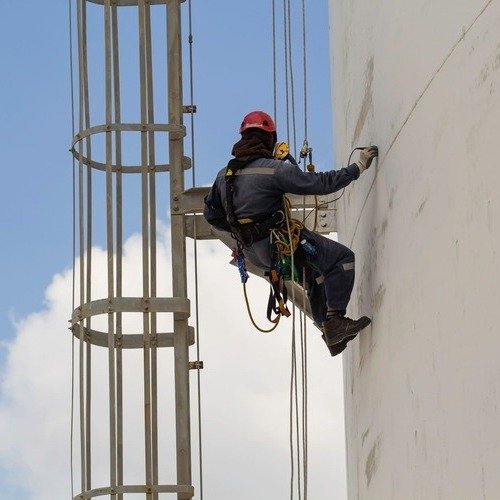
One of the biggest causes of serious injuries and fatalities in construction is working at heights. The Perform Work at Height course is usually attended by workers, whilst the Manage Work at Height course is normally attended by supervisors and managers, responsible for overseeing work at height activities.
Common Height-Related Hazards
Falls, unstable platforms, falling objects, and improper use of ladders or scaffolding are potential hazards for workers.
Course Requirement
This course is required for workers who are involved in tasks that are elevated, scaffolding, roof work, or platform operations.
Key Takeaways
- Avoids falling from high work surfaces
- Educates on the correct procedures for using fall protection systems
- Knows about typical hazards at the normal working height
- Essential for workers who work at height
- Enhances awareness of safety when working overhead
Career Progression
- Aids candidates in securing employment for roles involving scaffolding and maintenance activities.
- Provides the essential foundation for working responsibly and safely at heights.
Salary Expectations
- Workers: SGD 2,000 – SGD 3,500 per month
- Managers: SGD 3,500 – SGD 6,000+ per month
Course Link – Manage Work at Height course , Perform Work at Height course
2. Confined Space Safety Course
This course educates about the limited access and hazardous atmospheres. Examples of confined spaces include tanks, tunnels, manholes, silos, pipelines, and storage vessels.
Safety Requirements Before Entry
The safety requirements for entering the premises are required before entering the premises. Workers are responsible for doing atmospheric testing, getting permits, wearing appropriate protective equipment, and setting up emergency rescues.
Key Takeaways
- Knows what hazards to look for in a confined space
- Teaches safe entry procedures
- Discusses emergency rescue planning.
- Must be tested in the atmosphere before entry
- Reduces risks of suffocation and toxic exposure
Career Progression
- Qualifies employees to safely manage specialized tasks across construction and industrial sectors, with a focus on confined spaces.
- Supports promotions to roles such as Confined Space Attendant, Safety Coordinator, or Entry Supervisor.
Salary Expectations
- Confined Space Entrant / Attendant: SGD 2,200 – SGD 3,800 per month
- Confined Space Supervisor: SGD 3,500 – SGD 6,500+ per month
Course Link – Supervise Work in Confined Space Operation (SWCSO), Perform Work in Confined Space Operation (PWCSO) .
3. Rigger and Signalman Course
This course is required for workers who perform lifting operations. It is required for proper coordination between supervisors, signalmen, riggers, and crane operators.
Importance
It is essential because clear communication helps prevent misunderstandings that can result in dropped loads or serious injuries.
Key Takeaways
- Gain skills in safe lifting operations
- Improve effective communication with crane operators
- Get to know proper load-securing methods
- Minimize lifting-related accidents
- Improve teamwork during lifting activities
Career Progression
- Improves essential competencies for lifting and rigging operations on major construction projects.
- Enhances advancement opportunities into senior rigging or lifting supervisor positions.
Salary Expectations
- Rigger / Signalman: SGD 2,200 – SGD 4,000 per month
Course Link – WSQ Perform Rigger and Signalman Task (PRST).
4. Lifting Supervisor Course
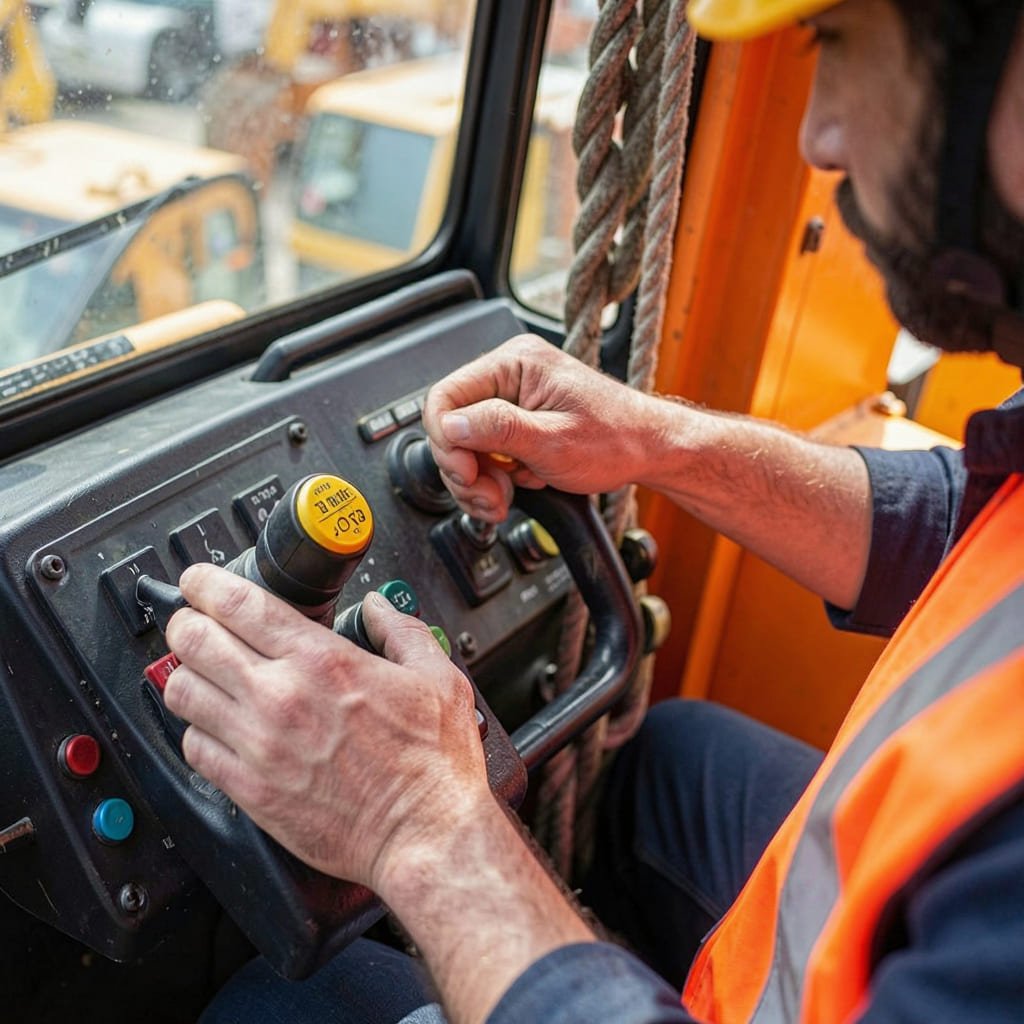
This course helps lifting supervisors oversee the work activities and ensure compliance with safety requirements because it helps to assess lifting plans, supervise operations, coordinate with teams, and verify equipment safety.
Safe Lifting Practices
It ensures that supervisors check if loads are lifted safely, risks are controlled, and lifting procedures are followed correctly.
Key Takeaways
- Monitor all lifting activities
- Review lifting plans and risk assessments
- Ensure safe lifting procedures
- Eliminate lifting operation incidents
Career Progression
- Builds the confidence needed to take on responsibility and lead lifting operations or site coordination.
- Strengthens supervisory and management capabilities within construction projects.
Salary Expectations
- Lifting Supervisor: SGD 3,500 – SGD 6,500+ per month
Course Link – Supervise Safe Lifting Operation.
5. Vehicle and Machinery Banksman Course
This course is suitable for workers in construction sites who are often involved in moving heavy machinery and vehicles, as they can create significant safety risks.
Preventing Struck-By Incidents
Using the proper signage and traffic control, workers can avoid being hit by vehicles or machinery.
Key Takeaways
- Directs vehicle and machinery movements safely
- Minimizes struck-by accidents
- Improve visibility during operations
- Enhance standard communication signals
- Increase overall site safety
Career Progression
- Gain expertise in traffic movement control, a critical safety aspect on active worksites.
- Unlock new job roles related to site safety, logistics, and supervision.
Salary Expectations
- Vehicle and Machinery Banksman: SGD 2,000 – SGD 3,500 per month
Course Link – Vehicle and Machinery Banksmen Safety Course.
6. Occupational First Aid Course
This course is to respond to emergencies, as it helps in significantly reducing the severity of workplace injuries.
Emergency Response Capabilities
Workers can get a proper understanding of how to respond to injuries, burns, fractures, and other medical emergencies.
Benefits to Worksites
Having trained first aid personnel can ensure the workplace is emergency-prepared to support worker wellbeing.
Key Takeaways
- Provide immediate emergency assistance
- Improve injury management
- Minimize response time during incidents
- Support workplace emergency planning
Career Progression
- Elaborates on the ability to increase professional value and respond effectively to workplace emergencies.
- Supports to enhance career development in safety-related and emergency response roles.
Salary Expectations
- Occupational First Aider: SGD 2,000 – SGD 5,000+ per month
Course Link – Occupational First Aid Course (OFAC)
7. Scaffold Erection Course
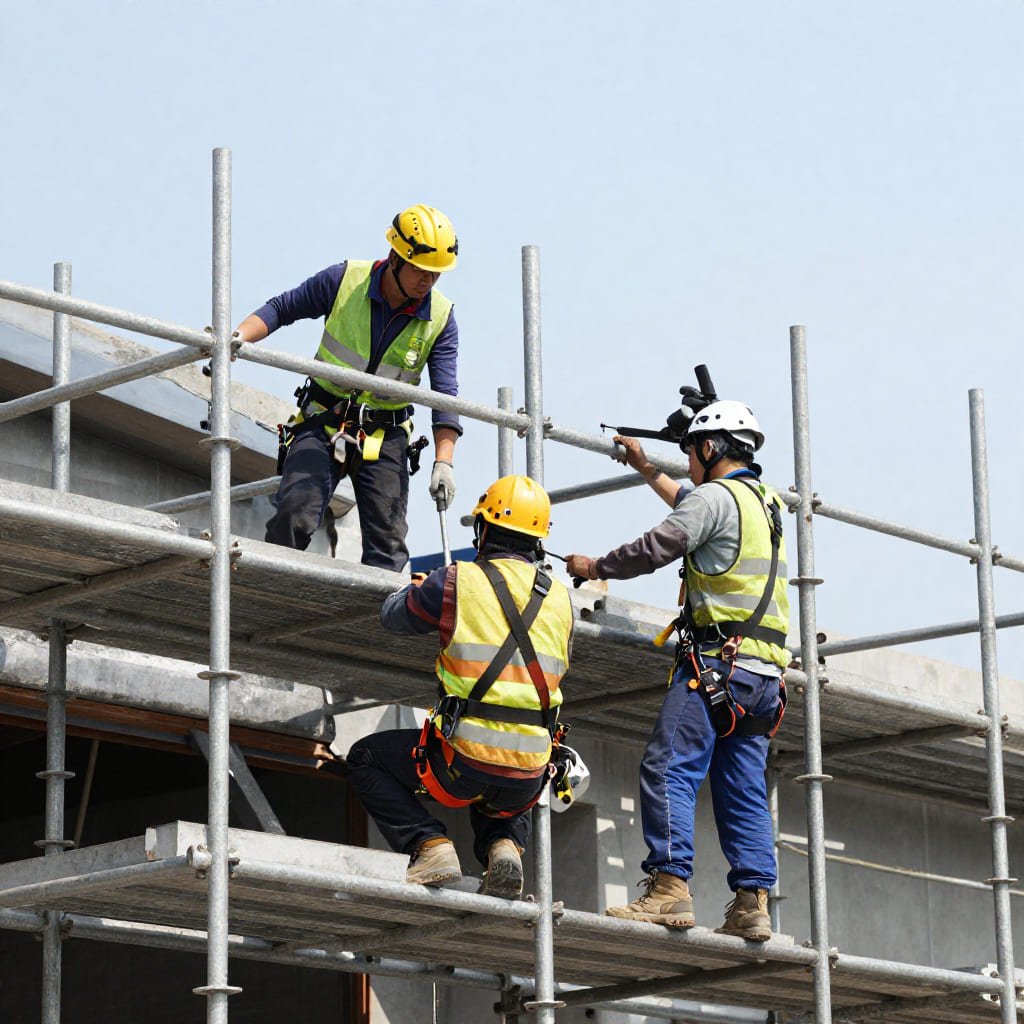
In construction work, scaffolding is extensively used and needs to be set up, adjusted, and taken down in a safe manner to avoid falls and structural issues. Workers involved in the erection of scaffolds attend the Perform Metal Scaffold Erection course, and workers who manage and supervise scaffold work attend the Supervise Metal Scaffold Erection course.
Purpose
It provides the knowledge and skills for workers to safely assemble, inspect, adjust, and disassemble scaffolding structures to meet safety requirements.
Key Takeaways
- Demonstrate safe scaffolding setup and takedown procedures
- Recognize typical scaffolding risks
- Follow workplace safety practices
- Use scaffold components and equipment properly
Career Progression
- Equips workers with the required skills for scaffold inspection and other maintenance-related tasks.
- Paves the way for enhanced career opportunities in supervision, inspection, or site management.
Salary Expectations
- Scaffold Erector: SGD 2,500 – SGD 4,500 per month
- Scaffold Supervisor: SGD 3,500 – SGD 6,500+ per month
Course Link – Perform Metal Scaffold Erection (PMSE), Supervise Metal Scaffold Erection (SMSE).
8. Risk Management Course
Risk management is a key part of any successful construction safety course. It helps workers and supervisors identify hazards, implement controls, and monitor workplace safety performance.
Benefits
A structured risk management course to maintain workplace safety and health management in construction industry helps prevent accidents at the workplace before they occur, and it also strengthens safety culture.
Key Takeaways
- Identify workplace hazards systematically
- Control risks or accidents effectively
- Support proactive safety planning
- Enhance decision-making on-site
Career Progression
- Equips workers with the critical skills needed to identify and control workplace risks.
- Supports progression into positions such as Risk Assessor, Safety Officer, and various managerial roles.
Note
Salaries for risk management courses vary depending on the specific course, as each job role carries its own distinct level of risk and responsibility.
Final Thought
To conclude, mandatory safety training plays a crucial role among construction workers across Singapore. By investing in appropriate safety courses, organizations can not only comply with regulations but also contribute to increased productivity, hazard avoidance, and improved safety culture. Construction safety courses from reputed training providers like Greensafe International ensure that workers and employers have a safe workplace and are able to carry out their duties and responsibilities with confidence, while adhering to the highest level of safety.
Frequently Asked Questions (FAQs)
- Are safety courses for construction essential in Singapore?
Yes, new construction workers must complete the required safety courses before they are permitted to work on-site. - Why are construction safety courses mandatory for workers in Singapore?
Construction safety courses are mandatory to ensure workers can identify workplace hazards, minimise risks, and work safely on construction sites in accordance with Singapore regulations. - What happens if a worker does not complete the required safety training?
Workers who do not complete the required safety training will not be permitted to enter or work on construction sites in Singapore. - Who should attend the Work at Height Course?
Workers involved in elevated work activities, including scaffolding, roof work, platform operations, or other tasks performed at height, should attend this course. Supervisors overseeing these activities should attend the management-level course. - Why is the Confined Space Safety Course important?
The Confined Space Safety Course teaches workers how to manage hazardous atmospheres, follow safe entry procedures, and implement emergency rescue plans to reduce the risks of toxic exposure and suffocation.
